
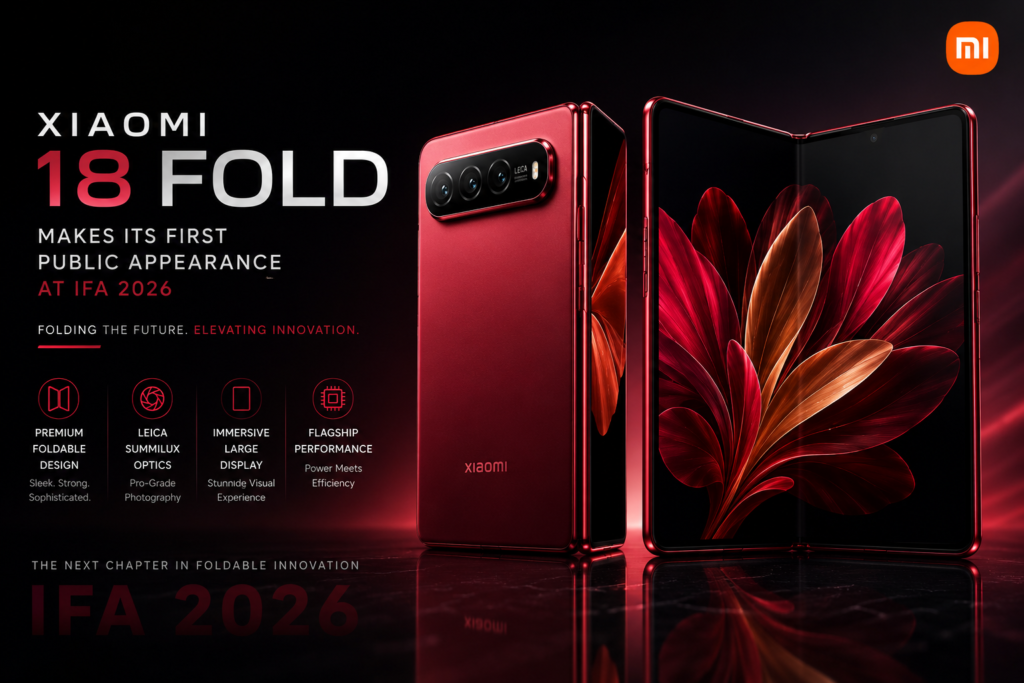
Foldable phones tend to stay hidden until the day a brand is ready to talk numbers, so it was a bit of a surprise to see the Xiaomi 18 Fold sitting out in the open at IFA 2026 in Berlin, just days before its official debut. It was tucked behind a glass case rather than sitting in anyone’s hand, but that was enough to give the tech world its first real-world look at the device that has been the subject of leaks for weeks.
Xiaomi has already confirmed the phone’s launch date, and this early showcase feels like a calculated move: build anticipation, let cameras capture the design from every angle, and let the internet do the rest. For anyone following the foldable phone race, this brief glimpse answers a few questions and raises several new ones.
What Happened at IFA 2026?
IFA is traditionally a consumer electronics event rather than a smartphone launch platform, which made the appearance of the Xiaomi 18 Fold at the show somewhat unusual. Xiaomi did not allow hands-on time, and the unit was displayed inside a glass enclosure, meaning journalists could look but not touch.
Even with those restrictions, the display case setup gave a fairly complete visual sense of the phone. Reporters on the ground got close enough to examine the hinge area, the cover screen, the rear camera housing, and the overall finish of the unit. This kind of controlled preview is common practice before a major reveal, since it lets a company generate buzz without giving away every last detail.
The bigger story here is timing. With the official unveiling scheduled for September 7, the IFA appearance of the Xiaomi 18 Fold effectively functions as a teaser event, designed to keep the phone in headlines during the days leading up to launch.
Design: A Bold Red Finish and a Passport-Style Body
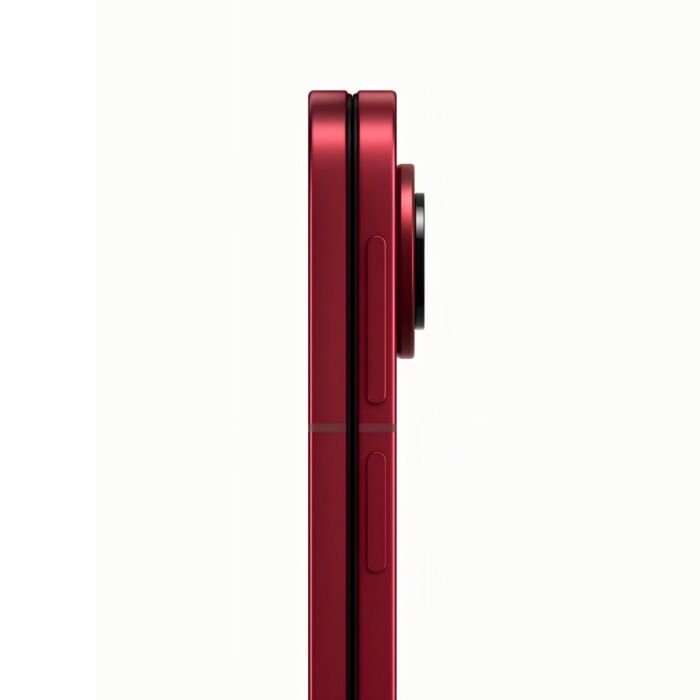
The first thing that stood out about the Xiaomi 18 Fold on the show floor was its color. Photographed under studio lighting for weeks in leaked renders, the red variant looked far more vivid and saturated in person than expected. It is the kind of shade that photographs differently depending on the light, and seeing it in person apparently settled any doubt about how eye-catching it is.
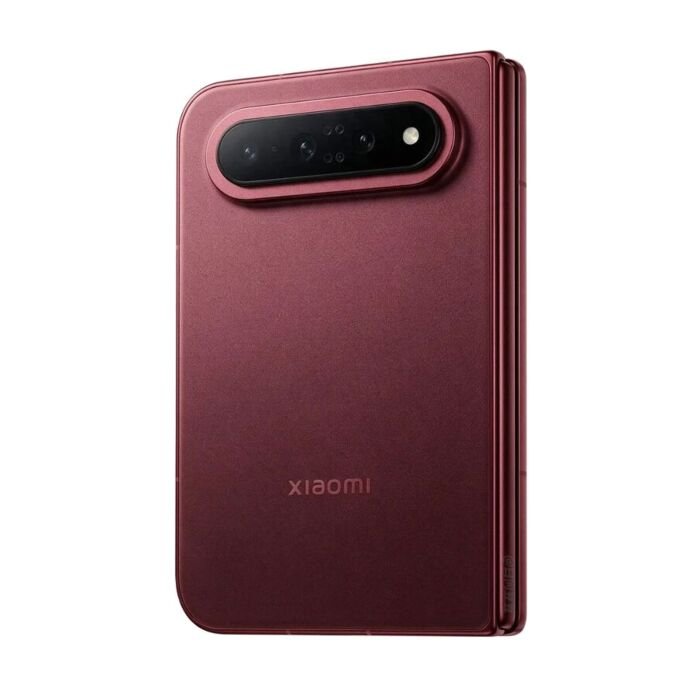
On the shape front, the phone follows the short-and-wide “passport” form factor that has become popular in the foldable segment recently, most notably associated with Samsung’s latest wide-format foldable. Xiaomi’s take on this shape adds rounded corners, a departure from the sharper edges seen on some rival foldables. The rounded design is a practical choice as much as an aesthetic one, since sharp corners on a foldable phone can dig into the palm during extended use, particularly on a device this wide.
That said, the rounded edges create an interesting quirk on the cover display. Because the corners are shaped differently on each side, the cover screen ends up with a slightly asymmetrical look, more squared on one edge and more rounded on the other. It is a small detail, but the kind that foldable phone reviewers tend to notice immediately, and one that will likely spark discussion once more images circulate.
Display Details: Cover Screen and Main Panel
The device carries a 5.38-inch cover display for quick tasks when the phone is folded shut, along with a larger 7.58-inch main panel that opens up into a tablet-like canvas. Bezels around both screens appeared slim in person, and the crease on the inner display was reportedly difficult to spot under normal viewing angles, though a final judgment on crease visibility will have to wait until the phone can actually be handled and tested directly.
A punch-hole camera cutout sits in the top right corner of the main display, a fairly standard placement for handling selfies and video calls without adding a larger notch that would eat into screen space. For a foldable, keeping the software experience clean while accommodating a front-facing camera on both the cover and inner display is not a trivial engineering task, and Xiaomi’s approach here suggests careful planning went into the layout.
Camera Setup on the Xiaomi 18 Fold
Foldable phones often make compromises on camera hardware compared to flagship slab phones from the same brand, mostly because of the limited internal space once a hinge and dual battery cells are factored in. This phone appears to buck that trend somewhat, at least based on what is visible from the outside.
The rear of the phone houses three cameras arranged inside a large visor-style module, a layout that has become something of a signature look for recent Xiaomi flagships. While exact sensor specifications were not confirmed at the show, the general expectation among industry watchers is a combination of a main sensor, a telephoto lens, and an ultrawide camera, which would put the phone in line with other premium foldables on the market.
There is also a second front-facing camera built into the cover screen, separate from the one on the main inner display. Having two selfie cameras is common on foldables of this style, since users frequently want to snap a quick photo without opening the phone at all.
The Xring O3 Chipset: Xiaomi’s In-House Silicon
Perhaps the most important confirmed detail about the Xiaomi 18 Fold has nothing to do with its exterior. Xiaomi has verified that the device will run on the Xring O3, the company’s own in-house chipset rather than a third-party processor from Qualcomm or MediaTek.
Building a proprietary chipset is a significant technical and financial undertaking, one that only a handful of smartphone makers have attempted with any real consistency. Early testing and benchmark leaks tied to the Xring O3 have pointed to a considerable jump in efficiency compared to earlier in-house silicon efforts from the same company, suggesting Xiaomi has made real strides on the fabrication and design side.
For a foldable specifically, chip efficiency matters more than on a typical flagship. Two screens, a larger battery split across a hinge design, and the general thermal challenges of a folding body all put extra pressure on a processor to stay cool and battery-friendly. If the Xring O3 delivers on its early promise, it could become one of the more talked-about aspects of the phone once full reviews arrive, potentially even overshadowing the hardware design itself.
How the Xiaomi 18 Fold Compares to Rival Foldables
Foldable phones are still a relatively small slice of the overall smartphone market, but competition in the segment has intensified. The passport-style body shape adopted here puts the phone in direct visual competition with Samsung’s current wide-format foldable, and comparisons between the two are inevitable once both devices are available side by side.
Where Xiaomi appears to differentiate itself is in the corner treatment and overall ergonomics, along with its decision to run proprietary silicon instead of a widely available chipset. Whether that translates into a meaningfully different user experience is something only hands-on testing can answer, but on paper, the pairing of custom hardware and software optimization is exactly the kind of vertical integration that has worked well for other manufacturers in the past.
What This Means for Foldable Phone Buyers
For anyone specifically shopping in the foldable category, the Xiaomi 18 Fold is shaping up to be one of the more interesting launches of the year, though a few important details remain unconfirmed. Pricing has not been announced, nor has availability outside Xiaomi’s home market been fully clarified. Buyers considering a foldable phone in the near term should treat everything seen at IFA as a preview rather than a final verdict.
It is also worth remembering that a glass display case cannot reveal how a hinge feels in daily use, how the software handles multitasking across two screens, or how battery life holds up with a custom chipset running the show. Those answers will only come once it is out of its case and in the hands of reviewers and everyday users.
What Pakistani Smartphone Buyers Should Know
Foldable phones have historically arrived in Pakistan later than in markets like China or the United States, and pricing tends to run considerably higher due to import duties and limited local distribution. Anyone in Pakistan interested in this foldable should keep a close eye on official Xiaomi announcements rather than relying on early estimates, since global pricing rarely translates directly into local pricing without additional markup.
Buyers should also consider PTA registration requirements before importing any device directly, since an unregistered handset can lose network functionality after a limited grace period. Checking warranty coverage, confirming whether a unit is an official import, and comparing specifications against other foldables already sold locally are all sensible steps before committing to a purchase once the phone becomes available through authorized channels.
What Could Happen Next?
With the official unveiling set for September 7, the wait for complete specifications, pricing, and availability details on this device will not last much longer. Between now and then, expect a steady stream of additional leaks covering battery capacity, charging speeds, and possibly regional pricing, following the pattern typical of most major smartphone launches in this stage of the rollout.
Once the phone officially launches, the real test begins. Benchmark scores, camera samples, and durability assessments will determine whether the Xiaomi 18 Fold lives up to the promise shown at IFA, or whether the glass case was hiding a few compromises that only become apparent with extended use.
About Phonixy
Phonixy is a technology-focused platform covering smartphones, consumer gadgets, industry developments, and the everyday product updates that shape how people choose their next device. From foldable phone previews to chipset breakdowns and pricing analysis, the goal is to keep readers informed without the noise. Anyone who wants to follow how the Xiaomi 18 Fold story develops between now and its full launch, along with coverage of other upcoming devices, can find ongoing updates at Phonixy.
Frequently Asked Questions
When was the Xiaomi 18 Fold shown to the public? It was displayed at IFA 2026 in Berlin, ahead of its official launch scheduled for September 7.
Could journalists use it at the event? No, the unit was kept behind a glass case, so no hands-on time was permitted at the showcase.
What chipset does the Xiaomi 18 Fold use? Xiaomi confirmed the phone runs on the Xring O3, the company’s own in-house processor rather than a third-party chip.
How big are its displays? It reportedly features a 5.38-inch cover screen and a 7.58-inch main inner display.
Does the Xiaomi 18 Fold resemble any other foldable phones? Its short and wide “passport” body shape is similar in concept to Samsung’s current wide-format foldable, though the corner design and finish differ.
Will the Xiaomi 18 Fold be available in Pakistan right away? That has not been confirmed. Foldable phones typically reach Pakistan after their initial launch markets, so local buyers should watch for official announcements rather than early leaks.
Is pricing for the Xiaomi 18 Fold known yet? No official pricing has been announced. That information is expected around the September 7 launch event.
Conclusion
The brief IFA 2026 showcase gave the industry its clearest look yet at the Xiaomi 18 Fold, from its striking red finish and rounded passport-style body to the confirmation of the in-house Xring O3 chipset powering it. Plenty remains unknown, including pricing, full specifications, and how the phone performs outside a glass display case, but the early impressions suggest Xiaomi has put real thought into both the design and the silicon behind this launch. As the September 7 unveiling approaches, more details about the Xiaomi 18 Fold are expected to surface. For continued coverage of this launch and other smartphone news, readers can check back with Phonixy.



Leave a Reply