
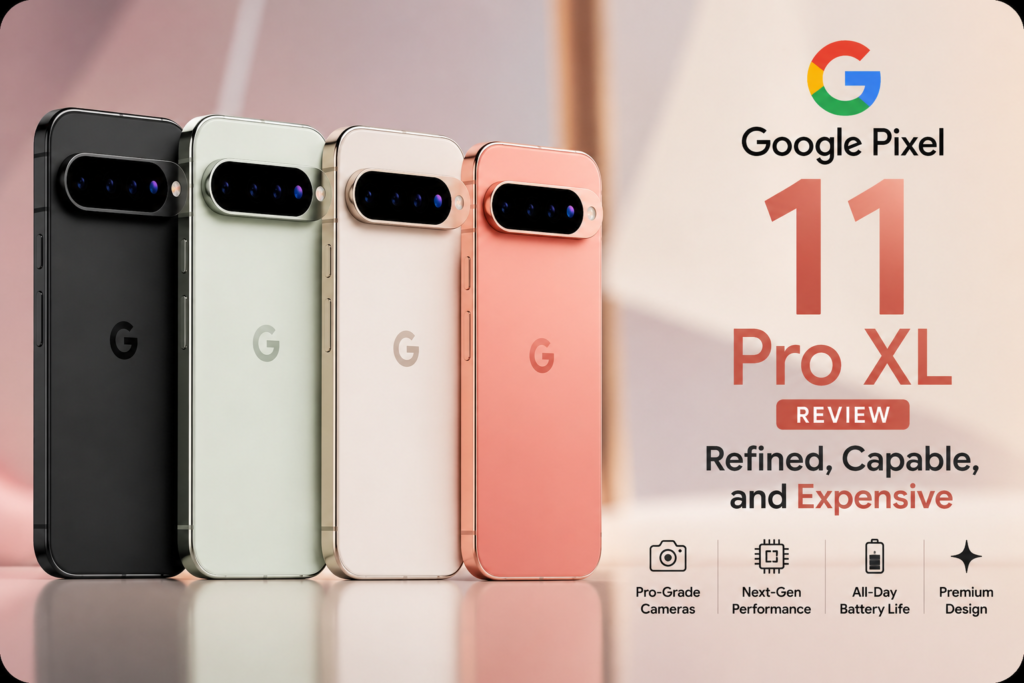
Google’s Pixel Pro XL line has always been about one thing above everything else: proving that a phone can shoot better photos than the competition without needing the biggest spec sheet in the room. The Google Pixel 11 Pro XL continues that tradition, but it also has to answer a tougher question this year. With only modest changes over its predecessor, is it still the Pixel worth choosing, or has Google simply given loyal buyers a reason to wait another cycle?
We went through the design, display, performance, cameras, battery, and software of the Google Pixel 11 Pro XL to see where it genuinely improves on the Pixel 10 Pro XL and where it plays it safe. Here is everything Phonixy readers should know before deciding whether this phone deserves a spot on their shortlist.
Google Pixel 11 Pro XL Specs at a Glance
Before getting into the hands-on impressions, it helps to see exactly what the Google Pixel 11 Pro XL brings to the table on paper.
| Category | Specification |
|---|---|
| Dimensions & Weight | 162.7 x 76.5 x 8.5 mm, 226g |
| Build | Gorilla Glass Victus 2 front and back, aluminum frame, IP68 rated |
| Display | 6.8″ LTPO OLED, 120Hz, 1344 x 2992px, 482ppi, 3,600 nits peak brightness |
| Chipset | Google Tensor G6 (3nm) |
| Memory Options | 256GB/12GB RAM, 512GB/16GB RAM, 1TB/16GB RAM, UFS 4.x |
| Rear Cameras | 50MP main (f/1.7), 48MP telephoto with 5x optical zoom (f/2.8), 48MP ultrawide (f/1.7) |
| Front Camera | 42MP ultrawide selfie camera (f/2.2) |
| Battery | 5,115mAh, 45W wired charging, 25W wireless charging |
| Software | Android 17 with Gemini Intelligence, 7 years of OS and security updates |
| Connectivity | 5G, Wi-Fi 7, Bluetooth 6.0, NFC, satellite SOS messaging |
This spec sheet confirms the Google Pixel 11 Pro XL is built to compete directly with the most premium Android flagships on the market.
Design and Build Quality
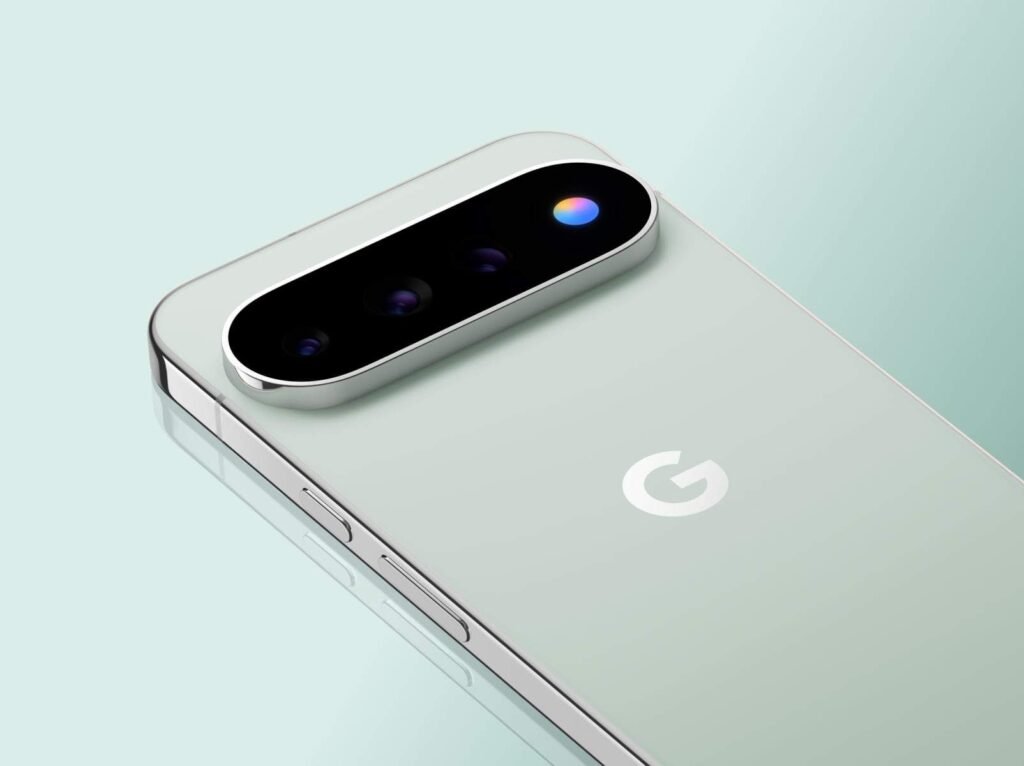
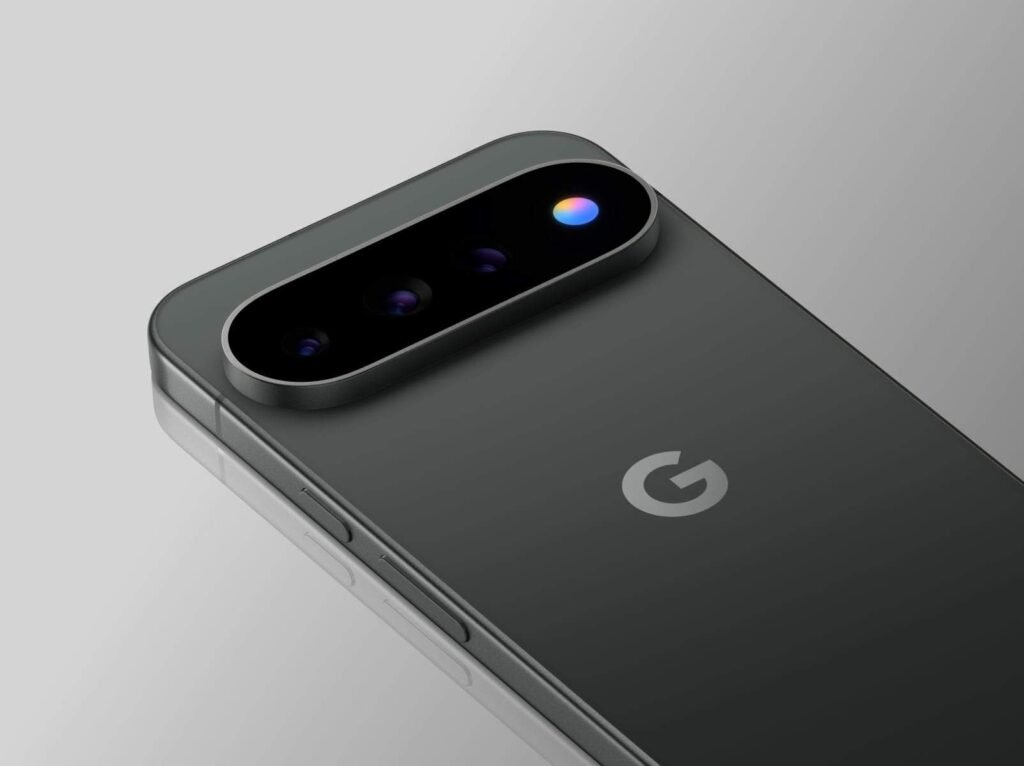
Pick up the phone and the first thing you notice is how familiar it feels. Google hasn’t reinvented the shape of its flagship, and at 226 grams, the Google Pixel 11 Pro XL is still a large, dense phone that needs two hands for comfortable daily use.
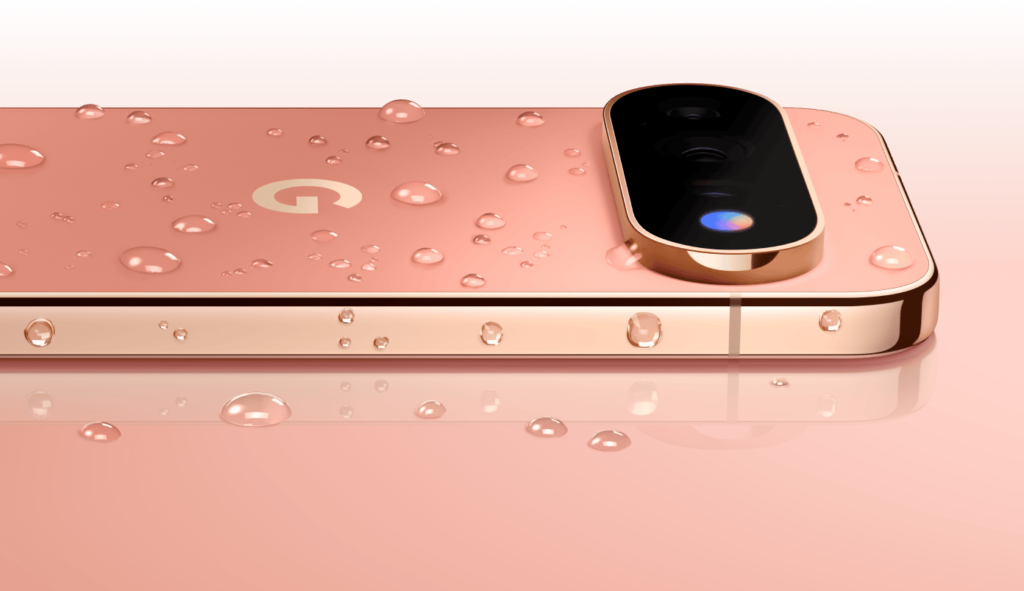
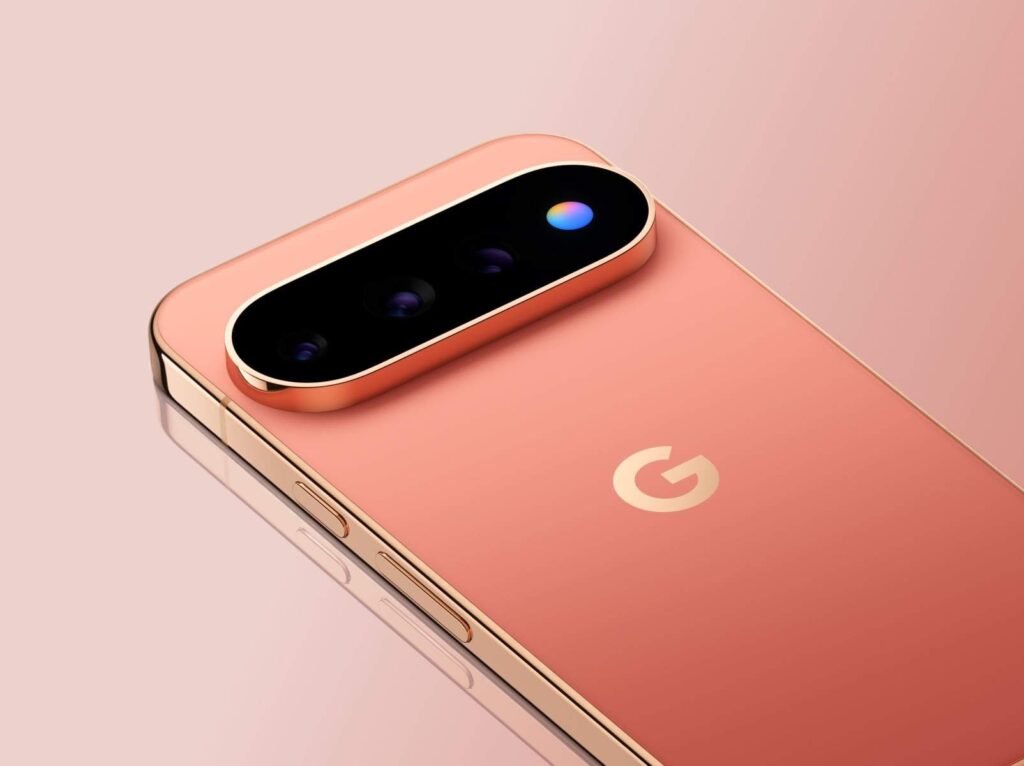
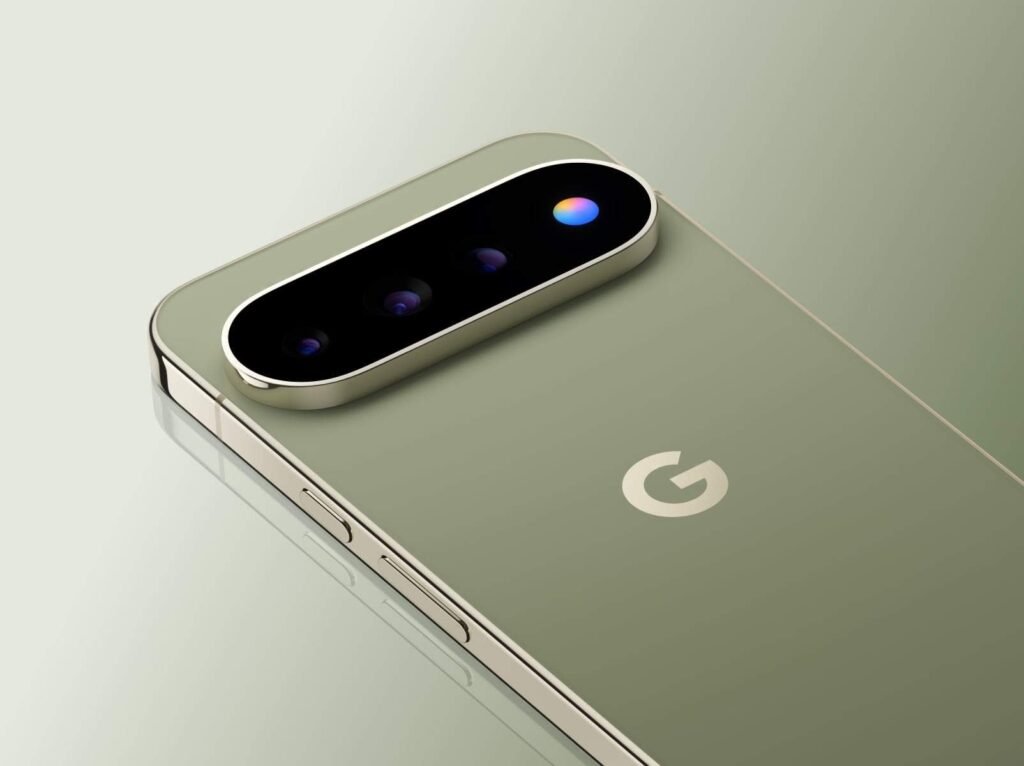
That said, the changes are more than cosmetic. The camera bar now uses edge-to-edge glass instead of a separate metal housing, giving the back panel a cleaner, more unified look. The back retains a matte finish across the color options, while the frame is polished on every finish except Obsidian. Google has also added a new coating on the display, claimed to roughly double the scratch resistance compared to the Pixel 10 Pro series.
Durability hasn’t changed on paper. The Google Pixel 11 Pro XL keeps the same IP68 rating as its predecessor. An ultrasonic fingerprint reader sits under the display, and overall build quality feels every bit as premium as you would expect at this price.
Display and Everyday Viewing Experience
The phone reuses the same 6.8-inch LTPO OLED panel found on the Pixel 10 Pro XL, and that isn’t necessarily a bad thing. Resolution stays at 1344 x 2992 pixels, refresh rate is a dynamic 120Hz, and HDR10+ content is fully supported.
The one meaningful change is brightness. Google now rates the Google Pixel 11 Pro XL at 2,400 nits of typical maximum brightness and 3,600 nits at peak, up from 2,200 and 3,300 nits respectively on last year’s model. In practical terms, that means slightly better visibility in direct sunlight, though it isn’t dramatic enough to notice unless you compare the two phones side by side.
For anyone who streams video, edits photos, or reads outdoors often, this screen remains one of the better panels on the market, even if it isn’t a generational leap.
Performance: Tensor G6 and Android 17
This is where the Google Pixel 11 Pro XL makes its biggest change. The new Tensor G6 chip, built on a 3nm process, actually has one fewer CPU core than the Tensor G5, dropping to seven cores total. In exchange, Google introduces a new C1-Ultra performance core and updated C1-Pro efficiency cores meant to close the gap with rival chipsets.
According to Google’s own figures, the chip is roughly 25 percent faster at web browsing and 15 percent faster at launching apps, alongside a 50 percent increase in TPU compute units for on-device AI. Google also claims on-device AI processing can run up to 3.5 times faster while using 3.5 times less energy.
Day-to-day performance feels smooth, and Gemini Intelligence features respond quickly. The catch is gaming. The Tensor G6 uses an Imagination GPU that isn’t widely optimized by game developers and lacks hardware ray tracing support. Reviewers have also reported noticeable CPU throttling under sustained load, so anyone who plays graphically demanding mobile games regularly may find the Google Pixel 11 Pro XL less capable than similarly priced Snapdragon or Dimensity-powered phones.
On the software side, it ships with Android 17 out of the box and is promised seven major OS upgrades along with seven years of security patches, matching Samsung’s current update policy and setting the standard for the rest of the Android ecosystem.
Camera Performance: Photos and Video
Cameras remain this phone’s strongest argument. The rear setup keeps the same 50MP main sensor and 48MP ultrawide as the Pixel 10 Pro XL, but the 48MP telephoto camera gets a genuinely larger 1/1.95-inch sensor, up from 1/2.51 inches previously, enabling better 5x optical zoom shots in more lighting conditions.
Photo quality across the board is very good, with daytime shots showing strong detail, accurate colors, and consistent output across all three lenses. Low-light performance from the main and telephoto cameras holds up well, though the ultrawide camera and nighttime selfies are noticeably weaker.
Video recording is largely unchanged, topping out at 4K60 across all rear cameras, with cloud-processed HDR and an 8K option available. Footage looks great in daylight, with natural colors and consistent tone across zoom levels, though stabilization can still show minor shake during walking shots or at the far end of the zoom range.
Google has also added a Best Capture feature that automatically selects the best expressions across a burst of shots, alongside HiLight, a new ambient lighting feature around the camera flash that reviewers have generally described as having limited practical use so far.
Battery Life and Charging Speed
This phone comes with a 5,115mAh battery, actually smaller than the 5,200mAh cell in the Pixel 10 Pro XL. Despite that, real-world battery life has held up well in early reviews, with several testers reporting 30 to 40 percent remaining at the end of a heavy usage day, aided by more efficient adaptive battery management.
Charging speeds are unchanged at 45W wired, getting the phone to roughly 75 percent in 30 minutes, plus 25W wireless charging with support for the Qi2.2 magnetic standard. Reverse wired charging and bypass charging are also supported, useful for topping up accessories or gaming with the phone plugged in without extra battery wear.
Pixel 11 Pro XL vs Pixel 10 Pro XL vs Xiaomi 17 Ultra
Since this phone doesn’t change dramatically from last year’s model, it’s worth comparing it directly against its predecessor and against one of its closest premium rivals.
| Feature | Pixel 11 Pro XL | Pixel 10 Pro XL | Xiaomi 17 Ultra |
|---|---|---|---|
| Chipset | Tensor G6 (3nm) | Tensor G5 | Latest Snapdragon flagship platform |
| Peak Display Brightness | 3,600 nits | 3,300 nits | Comparable high-brightness OLED panel |
| Battery | 5,115mAh, 45W wired | 5,200mAh, slower charging | Larger battery, faster charging |
| Camera Focus | Larger telephoto sensor | Smaller telephoto sensor | Expandable Leica-tuned camera system |
| Approx. Starting Price | Higher | Roughly $1,000 lower | Comparable when bundled with camera kit |
The takeaway from GSMArena’s testing is straightforward: the Pixel 10 Pro XL remains a genuinely strong alternative at a noticeably lower price, while the Xiaomi 17 Ultra offers a more versatile, arguably more powerful camera system for buyers who prioritize imaging flexibility over Google’s software experience.
How Much Does the Pixel 11 Pro XL Cost?
Global retail pricing for this phone varies slightly by storage configuration and region. Based on current listings tracked at launch, here’s how the three memory variants compare.
| Storage & RAM | Approx. Price (USD) | Approx. Price (GBP) |
|---|---|---|
| 256GB / 12GB RAM | $1,264 | £1,239 |
| 512GB / 16GB RAM | $1,386 | £1,387 |
| 1TB / 16GB RAM | $1,649 | £1,616 |
These figures reflect online retailer pricing rather than a single fixed global MSRP, so buyers should always confirm the exact price with Google or an authorized retailer before purchasing.
What Pakistani Smartphone Buyers Should Know
Google has never officially launched the Pixel series in Pakistan, and that pattern continues with the Google Pixel 11 Pro XL. Every unit that reaches local buyers comes through grey-market importers, which affects both pricing and after-sales support in a few important ways.
| Storage & RAM | Global Reference Price | Estimated Pakistan Street Price* |
|---|---|---|
| 256GB / 12GB RAM | ~$1,264 | ₨430,000 – ₨450,000 |
| 512GB / 16GB RAM | ~$1,386 | ₨470,000 – ₨495,000 |
| 1TB / 16GB RAM | ~$1,649 | ₨560,000 – ₨590,000 |
*Estimated only, based on the markup pattern seen on earlier Pixel imports and current USD-PKR rates near 278. Actual prices vary by retailer, import batch, and PTA registration status, and should always be verified before buying.
Before buying one in Pakistan, keep these points in mind:
- Confirm whether the unit is PTA-approved, since non-PTA phones face restricted cellular service over time.
- Compare prices across multiple reputable retailers rather than relying on a single listing.
- Ask about warranty coverage directly, since imported units typically don’t carry Google’s official regional warranty.
- Check that 5G bands and network features are fully functional on local carriers before committing to a purchase.
- Factor in after-sales repair access, since authorized Google service centers are not established locally.
[Image Here: Smartphone Pricing and Memory Component Cost Comparison]
Pixel 11 Pro XL: Pros and Cons
| Pros | Cons |
|---|---|
| Premium design and solid build quality | Heavy CPU throttling under sustained load |
| Bright, high-resolution 120Hz display | GPU choice isn’t gaming-oriented, no ray tracing |
| Strong battery life and fast charging | Telephoto camera struggles with close focus |
| Very good photo quality across all lenses | Nighttime selfies remain a weak point |
| Long 7-year software support commitment | HiLight feature has limited real-world use |
Should You Buy the Google Pixel 11 Pro XL?
It’s a well-rounded flagship, and there’s little to genuinely dislike about the day-to-day experience. Photos are excellent, the display is bright and sharp, battery life holds up through a full day, and Google’s seven-year update promise means the phone will stay current for a long time.
The honest catch is value. Because it doesn’t move far beyond the Pixel 10 Pro XL in most areas besides the chipset and telephoto sensor, buyers who already own last year’s model have little reason to upgrade immediately. New buyers, meanwhile, should weigh it against the notably cheaper Pixel 10 Pro XL and against camera-focused rivals like the Xiaomi 17 Ultra before deciding.
About Phonixy
Phonixy is a technology-focused platform covering smartphones, gadgets, and the industry developments that shape how people choose their next device. From detailed reviews like this one to pricing updates and feature breakdowns, Phonixy aims to give readers practical, easy-to-understand information rather than marketing spin. If you’re deciding between flagships like the Google Pixel 11 Pro XL and its rivals, or simply want to stay current on smartphone trends, Phonixy is a useful place to check in regularly for smartphone news, reviews, and buying guides.
Frequently Asked Questions
Is the Google Pixel 11 Pro XL a big upgrade over the Pixel 10 Pro XL? Not dramatically. The main changes are the Tensor G6 chipset, a larger telephoto sensor, and a modest brightness increase on the display. Most other hardware remains similar.
Does it support 5G? Yes, the Google Pixel 11 Pro XL supports 5G connectivity along with Wi-Fi 7 and Bluetooth 6.0.
How is gaming performance on this phone? Gaming is the weakest area. The Tensor G6’s GPU isn’t widely optimized for games and lacks hardware ray tracing, and reviewers noted noticeable CPU throttling during demanding sessions.
What is the battery life like? Despite a slightly smaller battery than last year’s model, real-world battery life has been strong, with reviewers reporting healthy charge remaining after a full day of heavy use.
Is the Google Pixel 11 Pro XL available officially in Pakistan? No. Google has not officially launched the Pixel series in Pakistan, so it is only available through grey-market importers.
How many storage options does it come in? Three configurations: 256GB with 12GB RAM, and 512GB or 1TB, both paired with 16GB RAM.
Is the camera better than the Pixel 10 Pro XL? The main and ultrawide cameras are unchanged, but the telephoto camera uses a larger sensor for improved zoom shots, which is the most notable camera upgrade this generation.
What are the biggest downsides of the Google Pixel 11 Pro XL? The most common criticisms are weak gaming performance, CPU throttling, a telephoto lens that struggles with close focus, and underwhelming nighttime selfies.
Should I buy the Pixel 10 Pro XL instead to save money? It’s a reasonable option. The Pixel 10 Pro XL costs notably less and offers similar day-to-day performance, though it lacks the newer chip’s efficiency gains and the upgraded telephoto sensor.
Does the Google Pixel 11 Pro XL come with a charger in the box? GSMArena’s unit shipped with only a cable and paperwork, so buyers should plan to use an existing compatible charger or purchase one separately.
Conclusion
The Google Pixel 11 Pro XL is a capable, polished flagship that delivers on the things Pixel phones are known for: excellent cameras, clean software, and long-term update support. It doesn’t reinvent the formula, and that will disappoint anyone hoping for a bigger leap over the Pixel 10 Pro XL, but it remains one of the more dependable premium Android phones available right now. For Pakistani buyers, the lack of an official launch adds an extra layer of research before purchasing. Whether you’re comparing it against its predecessor or against rivals like the Xiaomi 17 Ultra, visit Phonixy for more smartphone reviews, pricing updates, and technology coverage to help you make an informed choice.

Leave a Reply