
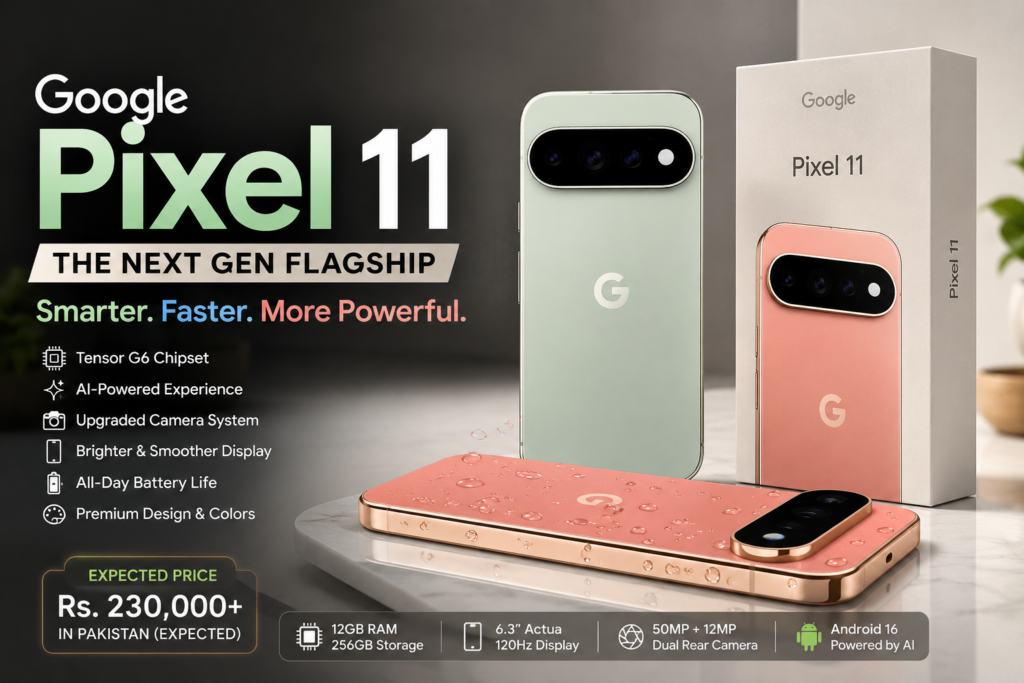
Google has officially pulled the wrapping off the Google Pixel 11, and for once, Pakistani tech watchers don’t have to squint at blurry leaks to figure out what’s coming. The standard Pixel 11 was announced alongside the Pixel 11 Pro, Pixel 11 Pro XL, and the Pixel 11 Pro Fold, but unlike its Pro siblings, it plays a quieter game this year smaller upgrades, but ones that genuinely matter if you’re the kind of buyer who wants a clean, camera-focused Android phone without paying Pro-tier money.
This piece is deliberately narrow. It’s about the standard Google Pixel 11 only not the Pro, not the Pro XL, not the foldable, and not the Watch or earbuds Google showed off at the same event. If you’re trying to decide whether this phone deserves a spot on your shortlist, or whether it makes sense to wait for it to show up through Pakistan’s grey-market import channels, here’s what’s actually known.
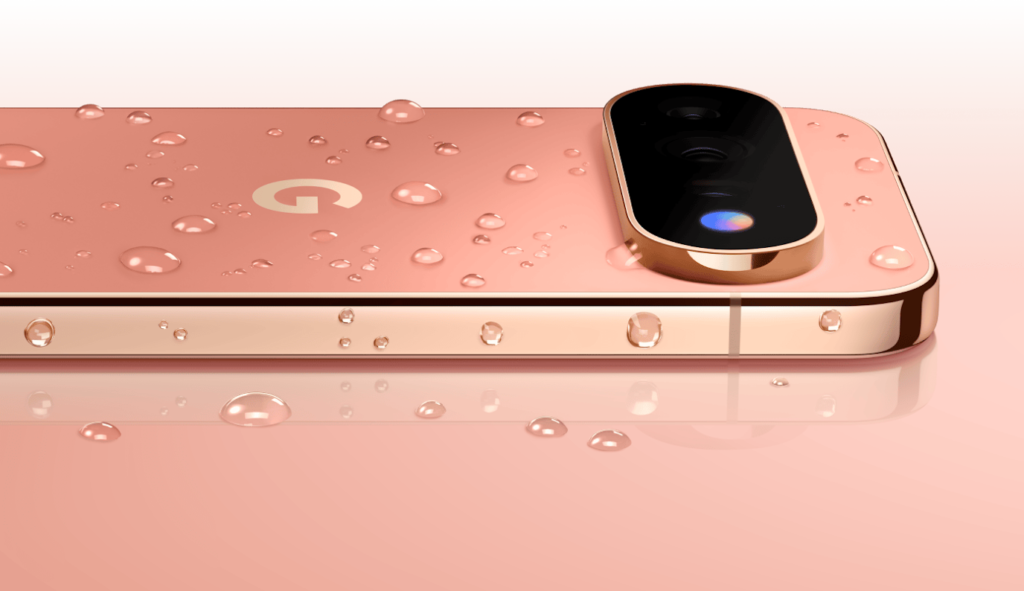
Google Pixel 11 Design
In hand, the Pixel 11 doesn’t try to reinvent itself. It carries over the same general silhouette as the Pixel 10 a horizontal camera bar across the back, a glass front and back panel, and an aluminum frame. Google has kept the frame finish matte across the entire non-Pro Pixel 11 lineup this year; the glossy metal treatment is reserved for the Pro models, so the standard phone leans into a slightly more understated, fingerprint-resistant feel.
At 152.8 x 72 x 8.6 mm and 197 grams, it’s a phone that sits comfortably in one hand without feeling insubstantial. The bezels around the display are even and reasonably tight for a phone in this price bracket, and the body carries an IP68 rating, so it’s built to survive rain, spills, and accidental dunks rather than just splashes.
One detail worth flagging for anyone who followed the Pro-model announcements: the Pixel 11 does not get Google’s new HiLight rear-lighting feature that debuts on the Pro and Pro Fold this year. That’s a Pro-exclusive extra, and the standard Pixel 11’s camera bar and back panel remain visually similar to last year’s model. If a glowing notification ring is what drew you to the Pixel 11 series, that’s a Pro-only story more on that distinction later.
Display
The Pixel 11 uses a 6.3-inch OLED panel running at 120Hz, with a 1080 x 2424 resolution that works out to roughly 422 pixels per inch. Google has rated it for HDR10+, 2000 nits in high-brightness mode, and up to 3000 nits at peak numbers that should make outdoor visibility a non-issue, even under Karachi or Lahore’s harsh midday sun. The panel is protected by Corning Gorilla Glass Victus 2.
For everyday use, this is a comfortably sharp, smooth-scrolling display. Netflix and YouTube content benefits from HDR10+ support, social feeds and reading feel fluid at 120Hz, and gaming should look crisp without the phone needing to push a higher resolution than it can comfortably drive. It’s a Full HD+ panel rather than a QHD+ one a sensible trade-off that keeps the phone efficient without sacrificing everyday sharpness.
Tensor G6 Performance
The headline change under the hood is the move to Google Tensor G6, built on a 3nm process. Google’s own reporting around launch clarified that this is a 3nm chip rather than the 2nm process some had anticipated worth noting since expectations had run ahead of what was actually confirmed.
The chipset uses a 7-core CPU arrangement a single high-performance core clocked around 4.1GHz, paired with a cluster of mid- and efficiency-tier cores alongside a PowerVR-series GPU. In practical terms, Tensor chips have never been the pure benchmark leaders in their price class; Google’s focus with Tensor has consistently been on-device AI processing, computational photography, and efficiency rather than chasing raw synthetic scores. Expect the Pixel 11 to feel snappy for everyday multitasking, app switching, and casual gaming, with AI-driven camera and voice features being where the chip is meant to shine rather than in leaderboard-topping frame rates. Nobody should go in expecting flagship-gaming-phone numbers that’s simply not the design brief for a Tensor chip.
RAM and Storage
The Pixel 11 ships with 12GB of RAM across the board, paired with either 256GB or 512GB of UFS 4.x storage there’s no microSD card slot, so what you buy is what you’re stuck with. Starting the base model at 256GB rather than 128GB is a meaningful, buyer-friendly change: photos, 4K video, and the growing footprint of on-device AI models all eat into storage faster than people expect, so the higher base capacity gives more breathing room for buyers who don’t want to think about storage management two years into ownership.
Google Pixel 11 Camera
This is where the Pixel 11 quietly makes its strongest case. The rear setup is a triple-camera system:
- A 48MP main camera, f/1.7, with a larger 1/1.56-inch sensor and 1.0µm pixels, OIS and dual-pixel PDAF
- A 10.8MP telephoto, f/3.1, offering 5x optical zoom with OIS
- A 13MP ultrawide, f/2.2, with a 120-degree field of view
The main sensor is the standout upgrade this year it’s noticeably larger than what the Pixel 10 used, which should translate into better light-gathering, cleaner low-light shots, and more natural background separation without needing to lean as hard on computational tricks. Google’s camera feature set carries over Pixel staples like Multi-zone Laser autofocus, Ultra-HDR, Pixel Shift, and Best Take. Video tops out at 4K at up to 60fps with 10-bit HDR and gyro-based stabilization.
On the front, there’s a 10.5MP ultrawide selfie camera with autofocus.
It’s worth being explicit here: this camera setup belongs to the standard Pixel 11, not the Pro models. The Pixel 11 Pro and Pro XL get a different, higher-resolution main sensor and an additional telephoto lens with more aggressive zoom. Megapixel count alone doesn’t decide image quality, and Google’s computational photography pipeline sensor size, pixel size, and processing matters just as much as the number printed on the spec sheet.
AI and Gemini Features
Tensor G6’s on-device AI processing underpins most of what makes the Pixel software experience distinct: photo editing tools like Magic Editor and Best Take, real-time translation, call screening, and Gemini-powered assistant features baked into the phone’s core experience. These aren’t new inventions exclusive to the Pixel 11 they’re a continuation of what Pixel phones have offered for a few generations but the newer chip should mean these AI tasks run faster and with less battery drain than on the Pixel 10. Buyers shouldn’t expect a dramatically different AI feature list from last year’s phone; the improvement here is speed and efficiency rather than an entirely new toolkit.
Software
The Pixel 11 launches on Android 17, and Google has confirmed up to 7 major OS updates going forward a genuinely long runway that outpaces most Android competitors, including many phones that cost considerably more. Google has also separately confirmed it will guarantee spare-parts availability for the Pixel 11 lineup for seven years, which matters for buyers thinking about long-term repairability rather than just day-one specs.
Battery and Charging
Battery capacity sits at 4985mAh, a small bump over the Pixel 10. Charging is rated at 30W wired (Google claims 55% in 30 minutes) and, notably, 25W wireless charging using the Qi2.2 magnetic standard a real jump from the wireless speeds on last year’s phone. Reverse wired charging and bypass charging are both supported too.
As always, actual day-to-day battery life will depend heavily on screen brightness, how much time is spent on 5G versus Wi-Fi, gaming load, camera use, and background app activity. Google’s own EU energy label estimates roughly 48-and-a-half hours of mixed-use endurance, but real-world results will vary by usage pattern treat any single number as a guideline rather than a guarantee.
Pixel Glow and Other Smartphone Features
Google’s new HiLight feature an illuminated ring built into the rear flash housing that can glow in different patterns to identify specific contacts calling or messaging is exclusive to the Pixel 11 Pro, Pro XL, and Pro Fold this year. The standard Pixel 11 does not include this feature. It’s a notable omission for anyone who’d been hoping the “Pixel Glow” style lighting trend would trickle down to the base model, and it’s one of the clearer ways Google is differentiating the Pro lineup from the standard phone in 2026.
Elsewhere, the Pixel 11 keeps the features buyers expect from a modern flagship: an under-display ultrasonic fingerprint sensor, stereo speakers, Bluetooth 6.0, Wi-Fi 6E, NFC, and satellite SOS connectivity for emergencies outside normal network coverage.
Colors and Design Options
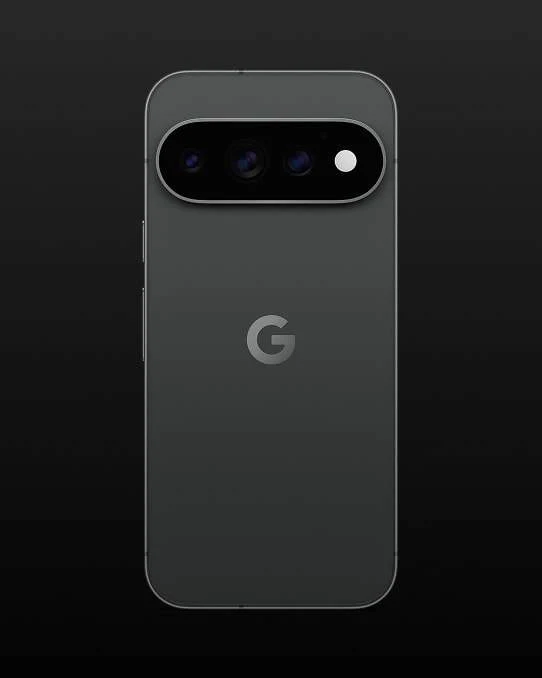
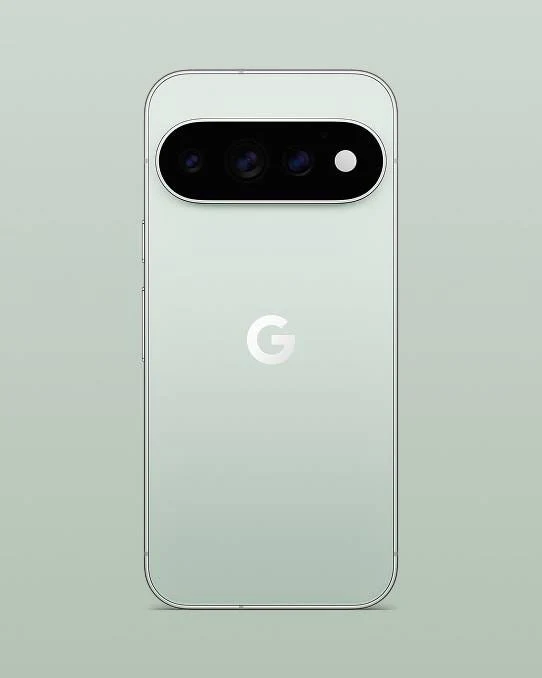
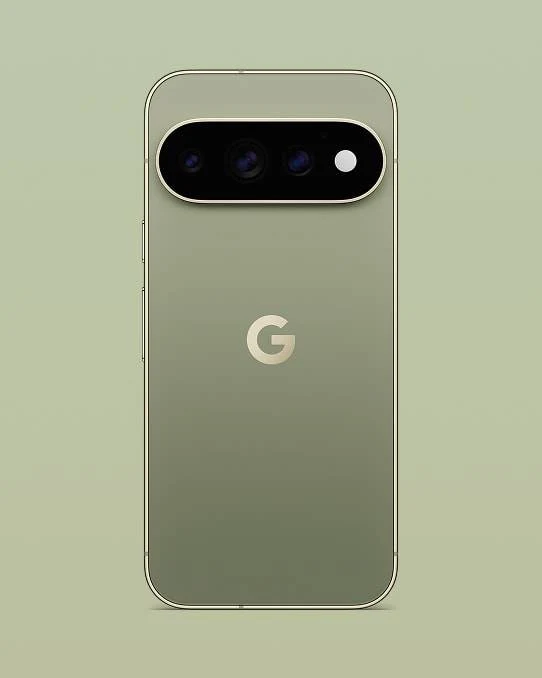
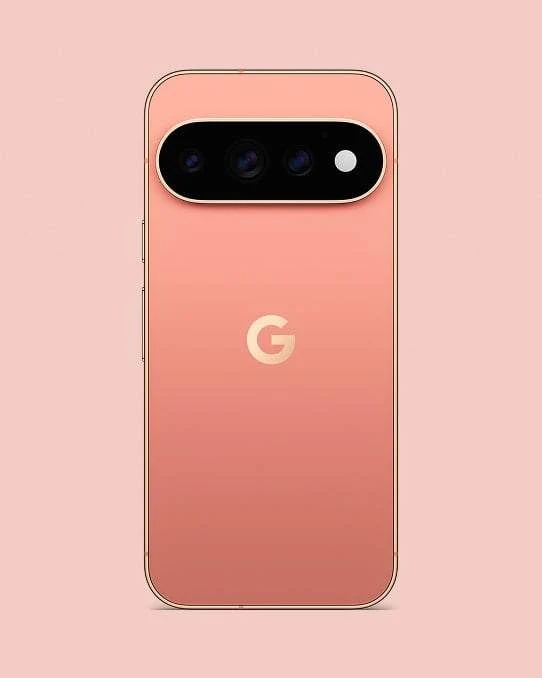
The standard Pixel 11 is available in four colors: Frost, Pistachio, Hibiscus, and Obsidian. Hibiscus, in particular, stands out as a genuinely vibrant, attention-grabbing shade a departure from the more muted tones Pixel phones have leaned on in recent years. All colorways use the same matte aluminum frame treatment, keeping the visual language consistent across the range.
Expected Price
Google’s official global pricing for the Pixel 11 starts at $899 for the 256GB model, with the 512GB variant priced at $1,019. UK and EU reference pricing sits at roughly £879 and €999 respectively for the base model. This is the confirmed international launch pricing announced by Google not a leak or estimate. The phone is expected to become available from around August 20, 2026, in markets where Google sells Pixel devices directly.
Google Pixel 11 Price in Pakistan
Here’s where things get less certain. Google has never officially launched the Pixel series in Pakistan there’s no Google retail presence, no official importer, and no locally backed warranty program for any Pixel phone sold here. Every Pixel 11 unit that ends up in Pakistani hands arrives through independent importers and resellers, and pricing among Pakistani retailers for this phone currently varies quite widely, with different listings citing figures anywhere from roughly PKR 220,000 to well over PKR 300,000 depending on the source, variant, and whether the unit is PTA-approved.
Given that spread, there is currently no single reliable, confirmed Pakistani retail price for the Google Pixel 11 treat any number you see online as an estimate until actual import stock arrives and retailers publish real listings. What is fairly predictable is that the final Pakistani price will sit meaningfully above the US reference price once currency conversion, import costs, PTA-related charges, and retailer margins are factored in that’s consistently been the pattern with every previous Pixel generation sold in Pakistan.
PTA and Availability in Pakistan
Because there’s no official Pixel launch in Pakistan, every unit sold locally falls into one of two categories: PTA-approved (registered for full network access) or non-PTA (typically cheaper, but with reduced or eventually blocked mobile network functionality on local SIMs). Buyers considering an imported Pixel 11 should always confirm PTA registration status and check the phone’s IMEI through PTA’s official verification system before purchasing, since non-PTA devices can lose mobile network access over time.
Warranty coverage is another local consideration. Since Google offers no authorized service centers in Pakistan, buyers are relying on whatever warranty terms the individual importer or retailer offers this varies significantly from seller to seller, and Phonixy isn’t in a position to vouch for any specific vendor’s terms. It’s worth asking upfront about repair support and replacement-part access, especially given how storage-heavy and camera-dependent this phone’s appeal is.
Google Pixel 11 vs Previous Pixel
Against the Pixel 10, the standard Pixel 11’s changes are real but incremental rather than dramatic. The Tensor G6 chip replaces the Tensor G5, RAM stays at 12GB, but base storage moves up to 256GB from the Pixel 10’s lower starting tier. Battery capacity ticks up slightly to 4985mAh, and wireless charging speed jumps meaningfully to 25W. The biggest tangible upgrade is the larger main camera sensor, which should be the most noticeable difference for anyone who actually uses the phone to take pictures day to day. Design-wise, the two phones feel nearly identical in hand — this is an internals-first refresh rather than a redesign.
Google Pixel 11 vs Competitors in Pakistan
At its $899 international starting price, the Pixel 11 lands in territory shared by phones like the Samsung Galaxy S26 and the Apple iPhone 17 Pro globally, though Pakistani street pricing for all of these devices Pixel included tends to run meaningfully higher than international reference prices once import costs are factored in.
Against Samsung’s Galaxy S-series, the Pixel 11 trades Samsung’s broader accessory ecosystem and higher zoom range for a cleaner, near-stock Android experience and Google’s longer 7-year update commitment. Against Xiaomi and OnePlus flagships that are more readily available through official Pakistani channels with local warranty support that the Pixel simply doesn’t have the Pixel 11 has to justify its import-only status through its camera processing and software longevity. For buyers who specifically want Google’s computational photography and don’t mind sourcing the phone through import channels, that trade-off can make sense. For buyers who prioritize convenient local warranty and after-sales support above all else, competitors with an official Pakistani presence remain the easier path.
Pros and Potential Limitations
Potential strengths:
- Larger main camera sensor for genuinely improved low-light and portrait shots
- Tensor G6’s efficiency and AI-processing focus
- 256GB base storage as standard
- Faster 25W wireless charging
- Long 7-year software update commitment
- Clean, near-stock Android software experience
Potential limitations:
- No official Google presence or warranty support in Pakistan
- Pakistani pricing is currently unconfirmed and likely to sit well above the global price
- PTA registration adds cost and complexity for local buyers
- Gaming performance likely trails dedicated gaming-focused flagship chipsets
- No HiLight rear-lighting feature, unlike the Pro models
- Replacement parts and repairs depend entirely on independent importers
Should Pakistani Buyers Wait for the Google Pixel 11?
For camera-focused buyers and Android purists who specifically want a Pixel, the standard Pixel 11 is a reasonable, if incremental, upgrade assuming you’re comfortable buying through Pakistan’s import market and understand the PTA and warranty trade-offs that come with it. It isn’t the phone to buy if your top priority is a stress-free local warranty experience or the absolute fastest gaming performance for the money several officially available flagships from other brands serve that use case better in Pakistan today.
If you already own a Pixel 10 and are happy with it, the Pixel 11’s changes probably aren’t compelling enough to justify an upgrade on their own. If you’re coming from an older phone or a different ecosystem and specifically want Pixel’s camera processing and clean software, it’s worth waiting for actual Pakistani retail listings to settle before committing, since early import pricing tends to be inflated compared to where it eventually stabilizes a few weeks after launch.
About Phonixy
Phonixy covers the technology that Pakistani readers actually care about from the latest smartphone launches and leaks to hands-on reviews, gadget updates, and practical buying guides written with the local market in mind. Whether it’s decoding a new chipset, tracking PTA and import considerations, or comparing flagship phones side by side, Phonixy aims to give Pakistani tech enthusiasts clear, dependable coverage they can actually use before making a purchase. You can explore more coverage at phonixy.com.
FAQ
1. What is the Google Pixel 11? The Google Pixel 11 is Google’s standard 2026 flagship smartphone, sitting below the Pixel 11 Pro and Pro XL in the lineup, officially announced alongside those models.
2. What processor does the Google Pixel 11 use? It runs on the Google Tensor G6 chipset, built on a 3nm process, paired with 12GB of RAM.
3. What camera features does the Google Pixel 11 have? It has a 48MP main camera with a larger sensor than last year’s model, a 10.8MP 5x telephoto lens, and a 13MP ultrawide, along with Google’s computational photography features like Best Take and Ultra-HDR.
4. How much does the Google Pixel 11 cost internationally? Google’s official global starting price is $899 for the 256GB model and $1,019 for the 512GB model.
5. What could the Google Pixel 11 cost in Pakistan? There is currently no single confirmed Pakistani retail price. Local listings vary widely, and the eventual street price is expected to sit above the global figure once import costs and PTA charges are added.
6. Will the Google Pixel 11 be available officially in Pakistan? No. Google has not officially launched the Pixel series in Pakistan, so all local units are expected to arrive through independent importers rather than an authorized Google channel.
7. Will the Google Pixel 11 require PTA approval? Yes, for full mobile network functionality on local SIMs, buyers should confirm PTA registration and IMEI status before purchasing an imported unit.
Conclusion
The Google Pixel 11 doesn’t reinvent what a Pixel phone is it refines it. A larger main camera sensor, the new Tensor G6 chip, a higher base storage tier, and faster wireless charging make it a solid, if incremental, step up from the Pixel 10, wrapped in a design that will feel instantly familiar to anyone who’s used a recent Pixel. It skips the flashier HiLight lighting feature reserved for the Pro models, and its real-world gaming performance is unlikely to challenge chips built purely for benchmark numbers but that was never really the point of a Tensor-powered Pixel.
For Pakistani buyers, the bigger story isn’t the hardware it’s the absence of any official Google presence in the local market. Pricing remains unconfirmed, warranty support depends entirely on individual importers, and PTA registration adds its own cost and complexity. None of that makes the Pixel 11 a bad phone; it just means Pakistani buyers considering it should go in with clear eyes about what they’re trading for that camera and software experience. Phonixy will keep tracking how actual Pakistani pricing and availability develop as more units reach the local market.


Leave a Reply