
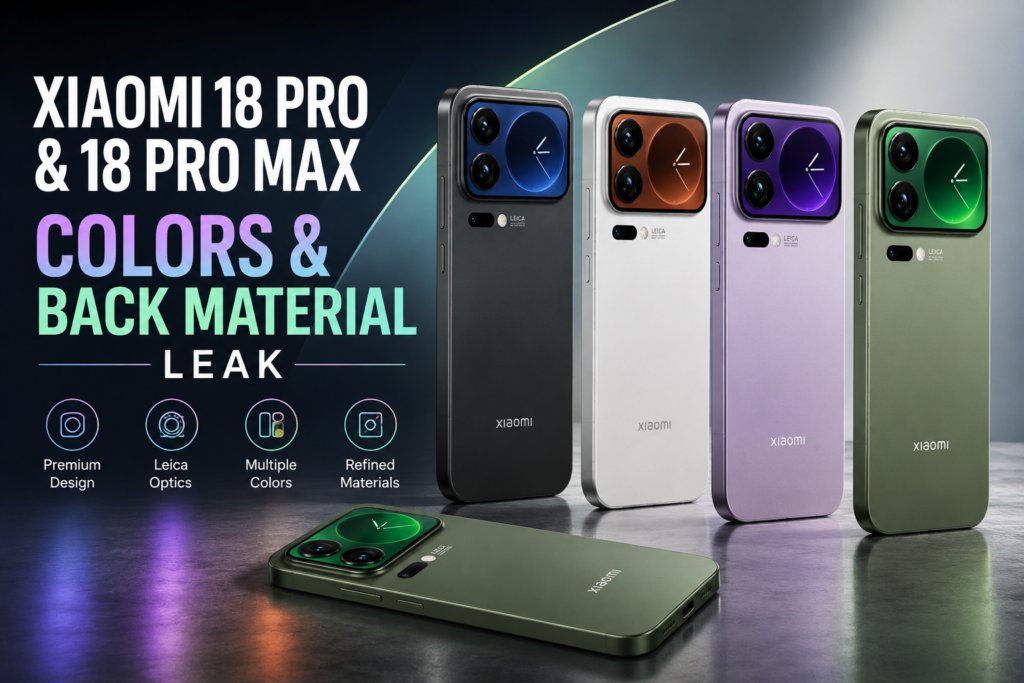
Xiaomi’s next flagship pair is once again at the center of pre-launch chatter, and this time the conversation is about how the phones will look and feel in hand rather than what chip sits inside them. A new report claims to reveal the color lineup being tested for the Xiaomi 18 Pro and Xiaomi 18 Pro Max, along with a notable change to the material used on the back panel. If accurate, it suggests Xiaomi may be stepping away from the glass backs that have defined its recent flagships in favor of something lighter and more durable.
The timing matters. With the phones reportedly just weeks from an official unveiling, leaks like this one tend to arrive when a device’s design and build have already been locked in, giving buyers an early sense of what to expect before Xiaomi confirms anything itself.
What Has Leaked So Far?
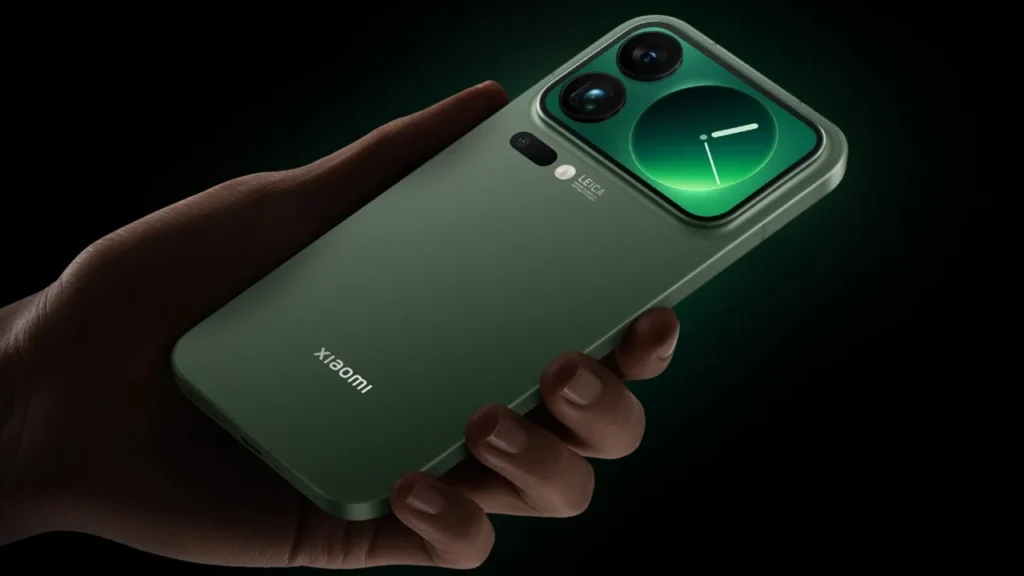
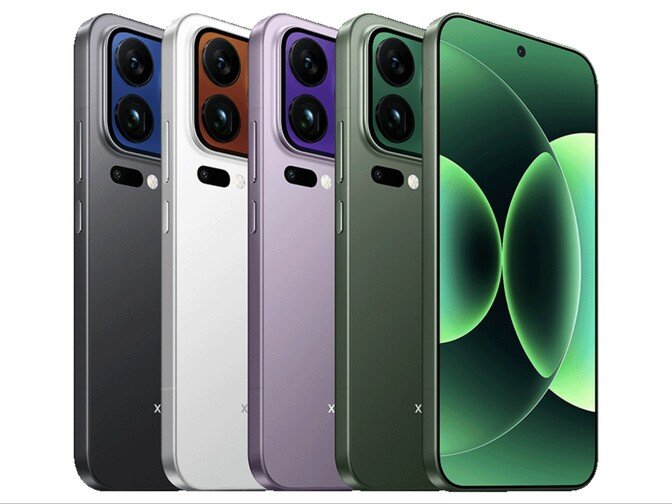
The information comes from Digital Chat Station, a Weibo-based leaker with a long track record of surfacing early details on Chinese smartphone launches. According to the post, Xiaomi is reportedly testing the Xiaomi 18 Pro and Xiaomi 18 Pro Max in five colorways: black, white, pink, blue, and red.
It’s worth being clear about what this is and isn’t. This is a leak, not an announcement, and Xiaomi has not confirmed any of these details publicly. Color options tested internally can also shift before a phone actually ships, and regional markets don’t always get every shade a company experiments with. Still, a five-color spread this early in the rumor cycle is a reasonably strong signal of where Xiaomi’s design team has landed, even if the exact shade names and finishes are still unknown.
What stands out more than the colors themselves is the accompanying claim about the back panel. Reportedly, none of the five colorways use a glass back. Instead, the phones are expected to use a fiberglass composite, a material choice that would mark a real departure from the glass-backed finishes Xiaomi and most of its competitors have leaned on for years.
Why Are Glass Backs Being Dropped?
Glass has been the default premium back material in the smartphone industry for a long time, largely because it looks and feels expensive and pairs naturally with wireless charging. But it comes with well-known downsides: it’s heavy relative to alternatives, it cracks or shatters on impact, and it shows fingerprints and micro-scratches quickly.
Fiberglass, by contrast, is lighter and generally more resistant to everyday drops and knocks. It can also be molded and finished in ways that mimic the look of glass or ceramic while shaving meaningful weight off the total build, which matters on larger Pro Max-sized devices that already carry big batteries and camera modules. Cost is likely a factor too, since fiberglass composites can be cheaper to produce at scale than curved glass panels, though Xiaomi hasn’t said anything officially about material costs or reasoning.
This shift isn’t happening in isolation. Several Chinese smartphone makers have been experimenting with fiberglass, textile-weave, and other composite back materials over the past couple of years as an alternative to glass and traditional plastic. If the leak holds up, Xiaomi’s 18 Pro series would be following a broader industry pattern rather than starting one, though it would still be a meaningful shift for a flagship-tier lineup.
It’s worth being cautious here: none of this has been confirmed by Xiaomi, and the reasoning above reflects general industry trends around fiberglass adoption rather than anything Xiaomi has stated about this specific device.
Color Options: What Each Might Appeal To
Assuming the five reported colors make it to launch, each is likely aimed at a different type of buyer.
- Black typically appeals to buyers who want a flagship phone to look understated and professional, and it tends to be the safest bestseller in any lineup.
- White usually attracts buyers who want a clean, minimal look, often paired with a matte or frosted finish.
- Pink is generally positioned as a lifestyle-oriented option aimed at buyers who want their phone to stand out without being overly bold.
- Blue tends to sit in the middle, offering a splash of color while still reading as fairly conservative and versatile.
- Red is usually the boldest option in any lineup and tends to appeal to buyers who want their device to be immediately recognizable.
None of this is confirmed by Xiaomi, and exact shade names, finishes, and regional availability for each color remain unknown until the company shares official details.
Design Continuity: What’s Staying the Same
Despite the material change, the leak suggests Xiaomi isn’t planning a dramatic redesign for the 18 Pro series. The overall design language is expected to carry over from the Xiaomi 17 lineup, which suggests continuity in the camera module layout, frame styling, and general silhouette rather than a ground-up overhaul.
One detail expected to return is the rear secondary display, a feature Xiaomi has used on recent Pro models to show notifications, camera previews, and widgets without unlocking the main screen. Whether the size of this secondary screen changes on the 18 Pro series is still unclear, since the current leak doesn’t specify dimensions. Buyers who liked this feature on the Xiaomi 17 series can reasonably expect it to return, but shouldn’t assume it will be identical.
Expected Chipset and Launch Timeline
On the performance side, both the Xiaomi 18 Pro and Xiaomi 18 Pro Max are rumored to launch with Qualcomm’s Snapdragon 8 Elite Gen 6 Pro chipset. Early chatter around this chip has described it as Qualcomm’s most powerful mobile silicon to date, though as with the rest of this leak, that claim hasn’t been independently verified and should be treated as a rumor until Qualcomm and Xiaomi confirm specifications themselves.
As for timing, the Xiaomi 18 Pro and Pro Max are reportedly expected to launch officially next month, shortly after Qualcomm’s Snapdragon Summit. That sequencing would follow a pattern Xiaomi has used before, timing its flagship chipset debut soon after Qualcomm’s own event so the phone can launch with Qualcomm’s newest silicon already confirmed and detailed.
What This Means for Buyers
Leaks focused on color and back material, rather than internals, typically show up when a phone’s industrial design has already been finalized and mass production is approaching. That generally means the leak is arriving fairly close to launch, though it still doesn’t lock in an exact date.
For buyers trying to decide whether to wait, this leak offers a partial picture. It’s reasonable to expect a wider color lineup than some past Xiaomi flagships, and a shift toward a lighter, more impact-resistant build if the fiberglass claim holds up. What it doesn’t tell you is pricing, RAM and storage configurations, or camera specifications, since none of that was part of this particular report. Any figures circulating elsewhere for those details should be treated as separate, unverified claims rather than confirmed by this leak.
Xiaomi 18 Pro vs Xiaomi 18 Pro Max: What to Watch For
Based on what’s been reported, the Xiaomi 18 Pro and Xiaomi 18 Pro Max appear to be heading toward the same design and material direction, sharing the same color options and the same move away from glass backs. That’s consistent with how Xiaomi has typically handled its Pro and Pro Max pairings in recent generations, where the core design language stays consistent across both sizes.
The differences worth watching for are likely to come down to screen size and battery capacity, as has generally been the case with past Pro/Pro Max splits. This specific leak doesn’t detail those differences, so buyers deciding between the two models will likely need to wait for official specifications closer to launch.
What Pakistani Buyers Should Know
Xiaomi’s flagship-tier phones haven’t always had a straightforward release path in Pakistan, with global and CN variants sometimes reaching local buyers through grey-market imports before any official retail listing appears. Buyers interested in the Xiaomi 18 Pro or Pro Max should expect a similar pattern, where imported units may surface earlier than any formal Xiaomi Pakistan rollout, if one happens at all for this particular series.
Anyone importing a unit early should also factor in PTA registration requirements, since unregistered devices face network restrictions on local SIMs after a limited grace period. Until Xiaomi confirms regional availability and PTA-compliant import channels are clear, it’s worth treating any PKR pricing figures circulating online as speculation rather than fact, since this leak did not include pricing information for any market.
Industry Perspective
Leaks about materials and color options might seem like minor details compared to chipset or camera leaks, but they say something about how a company is positioning a flagship. A move away from glass backs toward a lighter composite material, if confirmed, would put Xiaomi in step with a broader shift already underway among some of its Chinese competitors, and it could become a talking point Xiaomi leans on when comparing the 18 Pro series against rivals like Samsung’s Galaxy S-series and OnePlus’s flagship lineup, both of which have stuck largely with glass and metal builds.
Combined with the rumored Snapdragon 8 Elite Gen 6 Pro chipset, a redesigned back material would give Xiaomi two distinct talking points heading into launch: raw performance and a tangible, in-hand difference from its glass-backed rivals. Whether that translates into a meaningful sales advantage will depend on execution and pricing, neither of which is covered by this leak.
About Phonixy
Phonixy covers smartphone leaks, launches, and buying guides with a focus on accuracy and context, helping readers separate confirmed specifications from early rumors before they make a purchase decision. For continued coverage of the Xiaomi 18 Pro series as more details emerge, visit Phonixy.
FAQs
What colors will the Xiaomi 18 Pro come in? According to the leak, Xiaomi is reportedly testing black, white, pink, blue, and red colorways, though this hasn’t been confirmed by Xiaomi.
Why no glass back this time? The leak suggests Xiaomi is moving to a fiberglass back instead of glass, a material some Chinese smartphone makers have been adopting for its lighter weight and durability.
When will the Xiaomi 18 Pro launch? The Xiaomi 18 Pro and Pro Max are reportedly expected to launch next month, shortly after Qualcomm’s Snapdragon Summit.
What chipset will the Xiaomi 18 Pro use? Both models are rumored to use the Snapdragon 8 Elite Gen 6 Pro, said to be Qualcomm’s most powerful mobile chipset to date.
Is this leak confirmed by Xiaomi? No. All details in this report come from leaker Digital Chat Station and should be treated as unverified until Xiaomi makes an official announcement.
Will the rear secondary screen return? The leak suggests the design will carry over from the Xiaomi 17 series, which included a rear secondary display, though its size on the 18 Pro series is still unconfirmed.
Is pricing available yet? No. This leak did not include pricing, RAM/storage configurations, or camera details, so any figures circulating elsewhere should be treated separately and cautiously.
Conclusion
The latest leak around the Xiaomi 18 Pro and Xiaomi 18 Pro Max points to a five-color lineup and a shift away from glass backs in favor of fiberglass, alongside design continuity from the Xiaomi 17 series and a rumored Snapdragon 8 Elite Gen 6 Pro chipset. None of this has been confirmed by Xiaomi, and key details like pricing and camera specifications remain unknown. As with any pre-launch leak, treat these details as a preview rather than a promise, and check back with Phonixy for verified coverage as the Xiaomi 18 Pro series moves closer to its official unveiling.



Leave a Reply